

Hot Press News
- AAFT Confers IFTC Life Membership on Film India Expo CEO Mukesh Kumar
- Covestro inaugurates new production line in Meppen
- Uyo Launches Browser-Based AI Studio for Image, Photo, and Video Creation
- Jungle Camps India Expands Its Portfolio with Kuno Jungle Camp in Madhya Pradesh
- AAFT Opens Landmark 130th Batch; Dr. Sandeep Marwah Celebrates 34 Years of Creative Education
- Union Jal Shakti Minister Shri C. R. Paatil Addresses First Regional Conference on JJM 2.0 at Tiruchirappalli
- ‘Helluva Boss’ Hits FAN EXPO Portland With 11 Cast Standouts, ‘One Helluva Con’ Special Event
- Find Marbella launches a free buyer-side search for Costa del Sol property
- ReadyBid Highlights Rail Infrastructure Projects as a New Focus for Corporate Hotel Procurement
- BeeYoung Brewgarden Wins Bronze at Asia Beer Championship 2026
- Crompton’s New Super Premium Fans Bring Design and Smart Comfort Together
- ‘THE FLIX AWARDS: The Perfect Award Show’ by Shamell Antone Presents an Exciting Vision for Netflix’s Biggest Celebration
- Custom Patch Smith LLC Launches Bulk Custom Embroidered Patches with Free Mockup and Free USA Delivery
- Ministry of Jal Shakti Extends Timeline for Citizen Feedback on Jal Sanchay Jan Bhagidari 2.0
- Kia India to Invest USD 2 Billion in Second Plant in Andhra Pradesh
 Mail to a Friend |
|
 Rate |
 |
Jungle Camps India Expands Its Portfolio with Kuno Jungle Camp in Madhya Pradesh
2026-11-13 06:58:14
Business
150
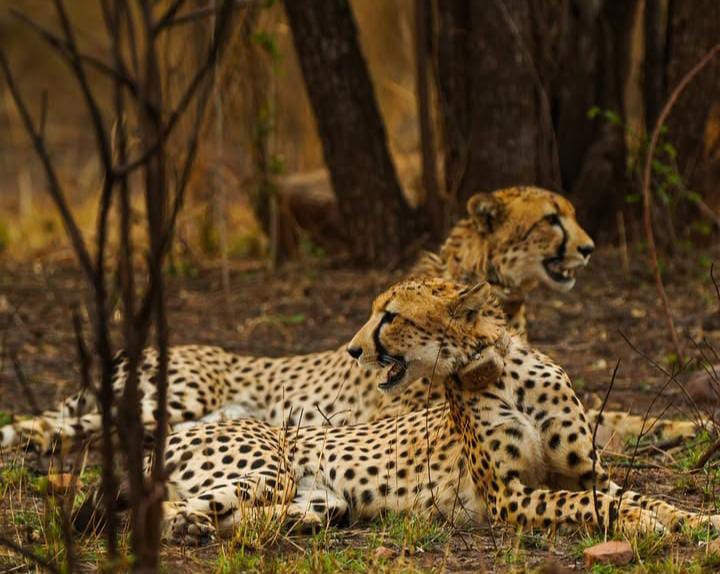
13th November 2026 — Jungle Camps India Limited (BSE: 544304) has launched Kuno Jungle Camp, the sixth wildlife lodge in its portfolio. Formerly known as The Palpur Fort, the property is in Sheopur district near Kuno National Park, where the first cheetahs brought from Namibia under Project Cheetah were released in September 2022. The reserve takes its name from the Kuno River. Accommodation includes Premium Rooms with Balcony and Executive Rooms.
“People often plan a trip to Kuno because they have followed the return of the cheetah to India. That interest gives us a chance to speak with visitors and explain how the park is managed, why habitats matter and what residents know from living alongside wildlife,” said Gajendra Singh Rathore, Founder, Chairperson and Managing Director of Jungle Camps India Limited. “We want to give guests time to ask questions and listen to people who know the area well. For us, working here also means finding opportunities for nearby communities to take part in tourism on their own terms, whether through employment, supplying the lodge or sharing skills they want to pass on to others.”
Prabhir Patil will lead the camp’s operations and naturalist programme. The camp also offers performances by tribal artists and bonfire evenings. Experiences are subject to availability.
Tiktoli Safari Gate is a 15-minute drive from the camp. Aehra Gate is approximately 35 km away (25 minutes), while Gwalior Airport is roughly 200 km by road (three hours). Travellers combining their stay with a visit to Ranthambore can reach the camp from Sawai Madhopur, approximately 120 km away (two hours).
About Jungle Camps India Limited
Founded in 2002, Jungle Camps India Limited began with Pench Jungle Camp near Pench Tiger Reserve and expanded to Kanha, Rukhad, Tadoba and Bandhavgarh. It works with naturalists who have field experience in the reserves they cover. Its operating practices include water conservation and waste management, and the group has planted over 400,000 native plants, including sal, teak and bamboo, across its properties and surrounding areas.
User :- Natasha Ahuja
Email :-natasha@wishboxstudio.com



Get your Explainer Video at 100 dollars only Today.

To ensure stability and reachability of your applications at all times, remote DDoS protection can keep your hosting services online