

Hot Press News
- Harris Hearth Announces Eight Flavors for 2026 Holiday Panettone Capsule
- DDWS Organises National-level Training of Trainers under Jal Jeevan Mission 2.0 to Strengthen Community-led Rural Drinking Water Management
- Inextrix Introduces Conversational IVR Development Services for Smarter Business Communication
- Pocket FM’s Sound of Courage 5 Spotlights Minerva Academy’s Journey
- Aptech Limited and Film and Television Institute of India (FTII) Enter into Partnership to Democratise Access to Film and Creative Education Across India
- VideoAny AI Opens Multi-Model Image and Video Workspace at videoany.ai
- Kobelco Construction Equipment India Unveils Three Variants in the 19.1 - 24 Tonne Category Excavators
- LoyaltyXpert Spotlights Warranty Automation as Manufacturers Look to Fix After-Sales Headaches
- Dr. Agravat’s Award-Winning OSMF Mouth Opening Kit Oral Care Products Now Available on Blinkit for 10-Minute Delivery Across Mumbai
- Kanawha Restoration Launches One-Call Water, Fire and Mold Damage Service for Charleston and Kanawha County
- ReadyBid Simplifies Hotel RFP Questionnaires for Smarter 2027 Sourcing
- Sivam Ortho Hospital Installs AI-Bsed Misso Robotic System For Knee Replacement in Chennai
- 11,000 People Register as Potential Blood Stem Cell Donors in Two Days as Woman with Severe Aplastic Anaemia Seeks a Match
- Vaahnitha Earns Dual Runner-Up Titles at Dream Aura India 2026
- Chetu Develops Adaptable AI Framework For Customer Self-service And Collections
 Mail to a Friend Mail to a Friend |
|
 Rate Rate |
 |
Telemedicine Could Transform Healthcare Access, Reduce Costs and Improve Patient Care, Review Finds
2026-10-23 05:58:06
Education
501
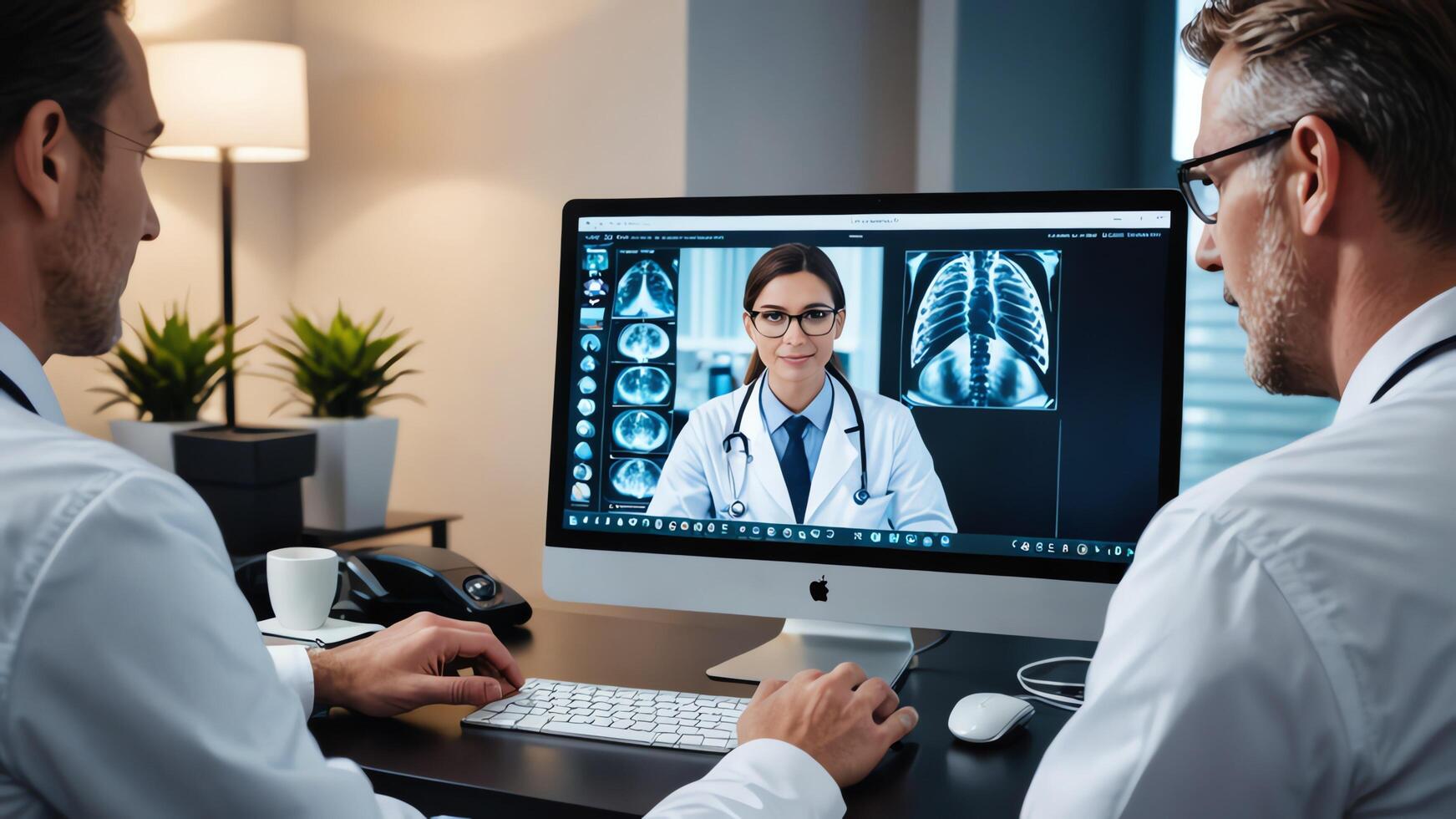
A review published in Advances in Research, titled “The Role of Telemedicine in Improving Healthcare Outcome: A Review,” finds that telemedicine has significant potential to improve access to healthcare, reduce costs and enhance patient satisfaction, particularly for people living in underserved and resource-limited areas. The review by Chukwuka Elendu and colleagues examines how technology-enabled healthcare can overcome geographical barriers while also identifying important challenges that must be addressed for telemedicine to become a sustainable model of care.
Bringing Healthcare Closer to Patients
Telemedicine uses information and communication technologies to provide medical services remotely. Instead of always travelling to a hospital or clinic, patients can communicate with healthcare professionals through technologies such as video consultations, telephone services, mobile health applications and remote monitoring devices.
The review highlights the particular value of telemedicine for people living in rural or remote communities, where healthcare facilities and specialist services may be difficult to reach. Distance, transportation costs and limited local resources can prevent patients from obtaining timely medical attention. Telemedicine can help reduce these barriers by connecting patients with healthcare providers regardless of their physical location.
Potential Benefits Across Healthcare
According to the review, one of telemedicine’s most important advantages is improved access to care. Patients in underserved areas, as well as people with mobility difficulties, disabilities or chronic illnesses, may be able to receive medical advice and follow-up care without travelling to a healthcare facility.
The review also identifies potential reductions in healthcare costs. Remote consultations can reduce unnecessary travel and may help decrease hospital readmissions and emergency-room visits in appropriate circumstances. By enabling patients to receive care more conveniently and promptly, telemedicine may also help reduce delays in seeking medical attention.
Another important area is chronic disease management. The review describes how telemedicine can support the monitoring of conditions such as diabetes, hypertension and heart disease, allowing healthcare providers to follow patients remotely and adjust treatment plans when appropriate. Patients can also receive feedback and health information that may support greater involvement in their own care.
The authors further report that the literature reviewed associates telemedicine with improved patient satisfaction, more timely healthcare delivery and potential improvements in outcomes such as medication adherence and hospital readmission rates.
Technology Alone Is Not Enough
Despite these potential advantages, the review emphasizes that telemedicine is not a replacement for every in-person medical consultation. Some conditions require physical examinations, procedures or other forms of hands-on care that cannot be delivered remotely.
Technology itself can also create barriers. Patients may lack reliable internet access, suitable digital devices or the skills needed to use telemedicine services. Healthcare professionals likewise require appropriate training and equipment to conduct remote consultations effectively.
Privacy and data security are additional concerns because telemedicine involves transmitting sensitive health information through digital systems. The authors also identify regulatory and policy issues, infrastructure limitations and the need for appropriate standards as challenges to wider adoption.
Evidence from a Literature Review
The paper is a mini-review article that examines existing literature on telemedicine and healthcare outcomes. The authors considered evidence concerning access to care, healthcare costs, patient satisfaction, health outcomes, remote monitoring, medical education and training, as well as barriers to implementation. The review also discusses technologies including live video consultations, remote monitoring devices and mobile health applications.
Implications for the Future of Healthcare
The findings point toward telemedicine as a potentially important component of modern healthcare, particularly where conventional services are difficult to access. However, the review argues that successful and equitable adoption will require more than technological development. Policymakers, healthcare providers and technology specialists will need to address infrastructure, regulation, privacy, security and professional training.
The authors call for continued research to identify which patient populations benefit most from telemedicine, establish effective practices across healthcare settings and understand its longer-term effects on outcomes such as quality of life, illness and mortality.
About the Study
The review was conducted collaboratively by researchers and clinicians affiliated with institutions including Federal Medical Center, Owerri; Federal Medical Centre, Bida; Lakeshore Cancer Center, Lagos; The Manor Hospital Oxford, United Kingdom; and the University of Ilorin, Nigeria. The article was published as an open-access work under a Creative Commons Attribution License.
References
Elendu, C., Egbunu , E. O., Opashola , K. A., Afuh , R. N., & Adebambo , S. A. (2023). The Role of Telemedicine in Improving Healthcare Outcome: A Review. Advances in Research, 24(5), 55–59. https://journalair.com/index.php/AIR/article/view/958
Halili, A., Zarepour, F., Kyani, F., Madadzadeh, N., Yousefi, A., & Shariati Far, F. (2024). Role of Telemedicine in Improving Access to Healthcare. Galen medical journal, 13, e3214. https://doi.org/10.31661/gmj.v13i.3214
Company :-Advances in Research
User :- AIR
Email :-contact@journalair.com
Url :- https://journalair.com/index.php/AIR/article/view/958



Get your Explainer Video at 100 dollars only Today.

To ensure stability and reachability of your applications at all times, remote DDoS protection can keep your hosting services online