

Hot Press News
- Lalita Kapilavai’s ‘Kalaprayanam’ Art Exhibition Opens at State Art Gallery in Hyderabad
- Rent Lamborghini Dubai Publishes a Transparent Cost Guide for Renting a Lamborghini in Dubai
- Waada Basmati Rice Showcases Its Growing Range of Basmati Rice Varieties
- Freture Techno Pvt. Ltd. Participates in ADIPEC 2026 in Abu Dhabi
- ODM Tops Education World India School Rankings 2026–27 in Odisha and Jharkhand
- Castrol India Limited maintains 9-month growth momentum in 2026
- New York Immigration Attorneys at Berd & Klauss, PLLC Explain USCIS FY 2027 Fee Increases Effective October 16, 2026
- ReadyBid Makes Enterprise-Level Hotel Sourcing Accessible to Smaller Businesses
- CoinGabbar Explores Crypto Presales to Buy in 2026 Through Token Valuation
- Vajirao & Reddy Institute Announces New Batch for UPSC CSE Preparation For 2027-28 in Agra
- Infinix–CMR Study reveals 85% of Young Casual Gamers Say Gaming Connects Them with Like-Minded People
- DataVare MBOX to PST Converter 2.0 Expands Email Conversion Support for Windows and Mac Users
- Experts Garage Door Highlights the Importance of Reliable Garage Door Repair in Winter Garden FL
- BlockchainAppsDeveloper Launches Halloween Deals with Up to 30% OFF on Blockchain, Crypto, AI, and DeFi Development
- Etchcraft Emporium Highlights Personalised Pyrite Prosperity Bracelets for Modern Jewellery Lovers in India
 Mail to a Friend Mail to a Friend |
|
 Rate Rate |
 |
Turning Banana Waste into Value: Review Highlights New Paths for Cleaner Water, Greener Farming and Sustainable Materials
2026-10-25 08:03:41
Education
1039
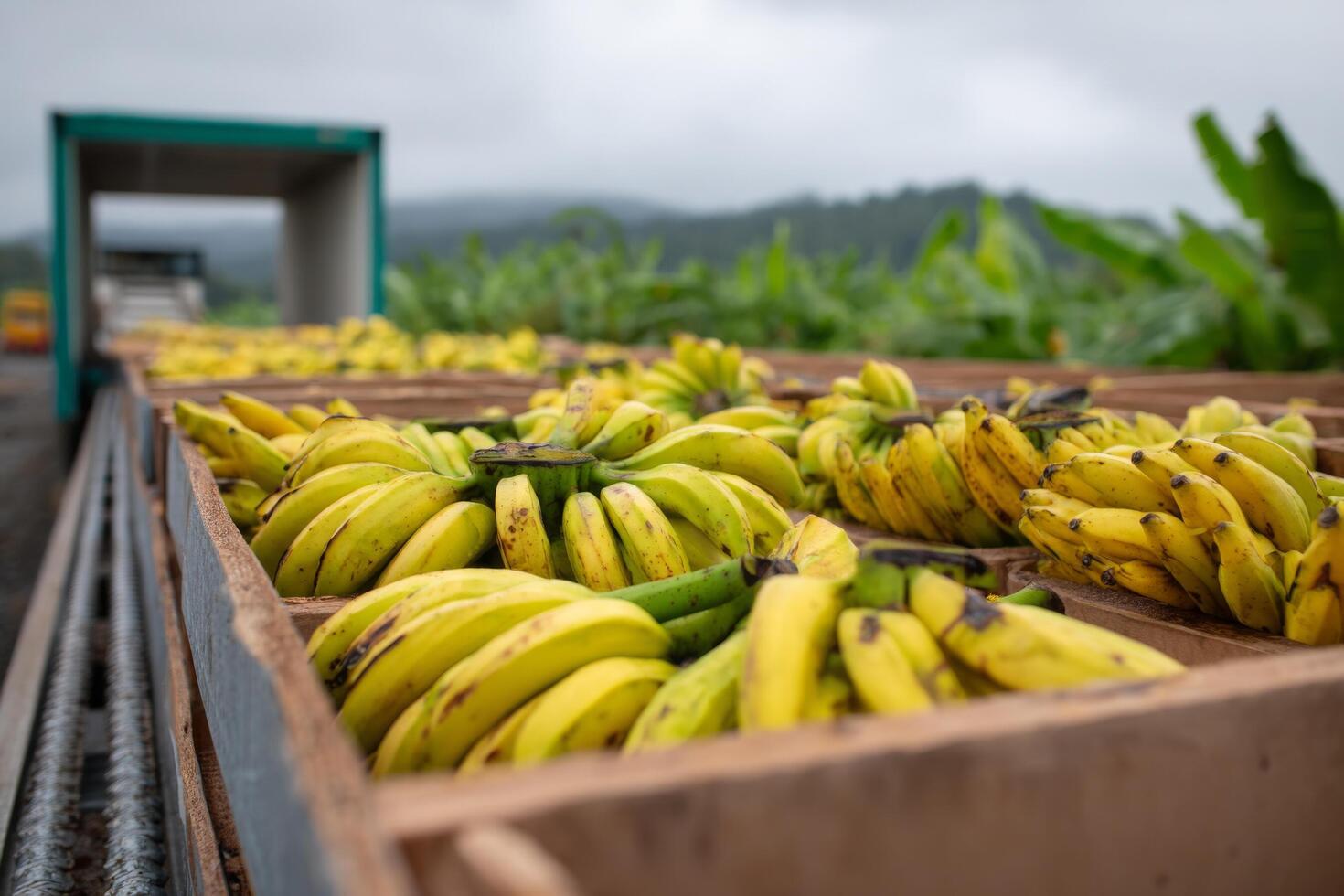
A new review published in the South Asian Research Journal of Natural Products, titled “Valorization of Banana Agro-Waste: A Review of Environmental and Industrial Applications,” highlights how banana production residues could be transformed from an environmental burden into useful resources for agriculture, pollution control, renewable energy and sustainable manufacturing.
Authored by Yemisi Ajoke Olawore, Chinenye Nnaorji and Abdulwasiu Olawale Salaudeen of the National Mathematical Centre in Abuja, Nigeria, the review brings together evidence suggesting that banana agro-waste can serve as a low-cost raw material within a circular economy.
Turning Agricultural Waste into Opportunity
Bananas are among the world’s most widely consumed fruits, but their cultivation and processing generate large quantities of waste, including peels, rejected fruits, pseudostems, leaves, inflorescences, wastewater and fibre-processing residues.
When poorly managed, this organic material can create unpleasant odours, attract pests, encourage microbial growth and contribute to soil and water pollution. The review cites earlier research estimating that approximately 114 million tonnes of banana waste may be generated globally each year.
Instead of allowing this biomass to accumulate in dumpsites or landfills, the authors argue that it could be processed into useful environmental and industrial products.
Banana Peels for Water Treatment
One of the most promising applications is wastewater treatment. Banana peels contain chemical groups capable of binding contaminants, allowing processed peel material to function as an adsorbent that captures pollutants.
Studies reviewed by the authors show that natural or modified banana peels can remove heavy metals, dyes and organic pollutants from water. Banana peel-derived activated carbon has also been investigated for removing pharmaceutical contaminants such as amoxicillin and carbamazepine.
One cited banana peel-based composite achieved removal of lead and cadmium of up to 99.9% under specific experimental conditions. Other studies suggest that banana peels may help remove metals such as zinc, copper and manganese from acid mine drainage.
Supporting Agriculture and Soil Health
Banana residues could also be returned to farmland as fertilizers, compost or soil amendments.
Peels contain nutrients and organic compounds suitable for agricultural applications. The review notes that banana peel-based biofertilizers have been associated with 25–45% improvements in crop yield in specific previously published studies, although these results should not be interpreted as universal across all crops or conditions.
Composted banana waste can add organic matter to soil, improve aeration and water retention, and support beneficial microorganisms. Banana residues can also undergo anaerobic digestion, producing biogas while leaving nutrient-containing digestate that may potentially be applied to agricultural soils.
From Banana Peels to Bioplastics
Banana waste may also contribute to the development of biodegradable alternatives to petroleum-based plastics.
Because banana peels contain starch, researchers have investigated their use in bioplastic films. One study discussed in the review combined banana peel material with maize starch and produced films that disintegrated within approximately one week during biodegradability testing.
Such findings suggest potential applications in packaging and disposable materials, although the authors emphasize that processing methods, performance, cost and large-scale production still require further investigation.
Fibres, Energy and Environmental Remediation
The applications extend beyond fertilizers and plastics. Banana fibres have attracted interest for use in textiles, pulp and paper, reinforced composites, sanitary products and construction materials, as well as selected automotive and aerospace applications.
Banana residues can also serve as feedstocks for biogas production, providing a way to recover renewable energy while reducing agricultural waste.
Another potential application is bioremediation. Banana residues can supply carbon and nutrients that stimulate microorganisms capable of breaking down environmental contaminants, including petroleum pollutants in soil.
Why the Review Matters
The study highlights how a single agricultural waste stream could contribute to several environmental goals at once: reducing landfill waste, treating polluted water, improving soils, generating renewable energy and supplying renewable materials for industry.
This approach supports the principles of the circular economy, where materials traditionally regarded as waste are converted into new resources. The authors also connect improved banana-waste management with broader sustainability goals, including climate action.
The publication is a minireview based on previously published research rather than a new laboratory experiment. It provides a narrative synthesis of studies covering wastewater treatment, adsorption, fertilizers, composting, bioplastics, energy production and bioremediation.
References
Olawore, Y. A., Nnaorji, C., & Salaudeen, A. O. (2026). Valorization of Banana Agro-Waste: A Review of Environmental and Industrial Applications. South Asian Research Journal of Natural Products, 9(1), 147–158. https://journalsarjnp.com/index.php/SARJNP/article/view/233
Kumari, S., Debbarma, R., Habibi, M., Haque, S., & Suprasanna, P. (2025). Banana waste valorisation and the development of biodegradable biofilms. Waste Management Bulletin, 3(3), 100213. https://doi.org/10.1016/j.wmb.2025.100213
Company :-South Asian Research Journal of Natural Products
User :- Benny Cowan
Email :-contact@journalsarjnp.com
Url :- https://journalsarjnp.com/index.php/SARJNP/article/view/233


To ensure stability and reachability of your applications at all times, remote DDoS protection can keep your hosting services online