

Hot Press News
- Shiny Thompson Wins Miss Teen Andhra Pradesh Title and Secures Best Personality title at National Level
- PFRDA Turns to Mutual Fund Distributors to Widen NPS Reach at Bengaluru Outreach
- Dr. Agravat Dental Clinic Implant Wellness Center Integrates 10-Minute Blinkit Delivery for OSMF Mouth Opening Kit Therapies Across Mumbai
- Lalita Kapilavai’s ‘Kalaprayanam’ Art Exhibition Opens at State Art Gallery in Hyderabad
- Rent Lamborghini Dubai Publishes a Transparent Cost Guide for Renting a Lamborghini in Dubai
- Waada Basmati Rice Showcases Its Growing Range of Basmati Rice Varieties
- Freture Techno Pvt. Ltd. Participates in ADIPEC 2026 in Abu Dhabi
- ODM Tops Education World India School Rankings 2026–27 in Odisha and Jharkhand
- Castrol India Limited maintains 9-month growth momentum in 2026
- New York Immigration Attorneys at Berd & Klauss, PLLC Explain USCIS FY 2027 Fee Increases Effective October 16, 2026
- ReadyBid Makes Enterprise-Level Hotel Sourcing Accessible to Smaller Businesses
- CoinGabbar Explores Crypto Presales to Buy in 2026 Through Token Valuation
- Vajirao & Reddy Institute Announces New Batch for UPSC CSE Preparation For 2027-28 in Agra
- Infinix–CMR Study reveals 85% of Young Casual Gamers Say Gaming Connects Them with Like-Minded People
- DataVare MBOX to PST Converter 2.0 Expands Email Conversion Support for Windows and Mac Users
 Mail to a Friend Mail to a Friend |
|
 Rate Rate |
 |
Elephant Dung Transformed into Sustainable Fertilizer for Okra Cultivation, Study Finds
2026-10-24 09:31:49
Education
738
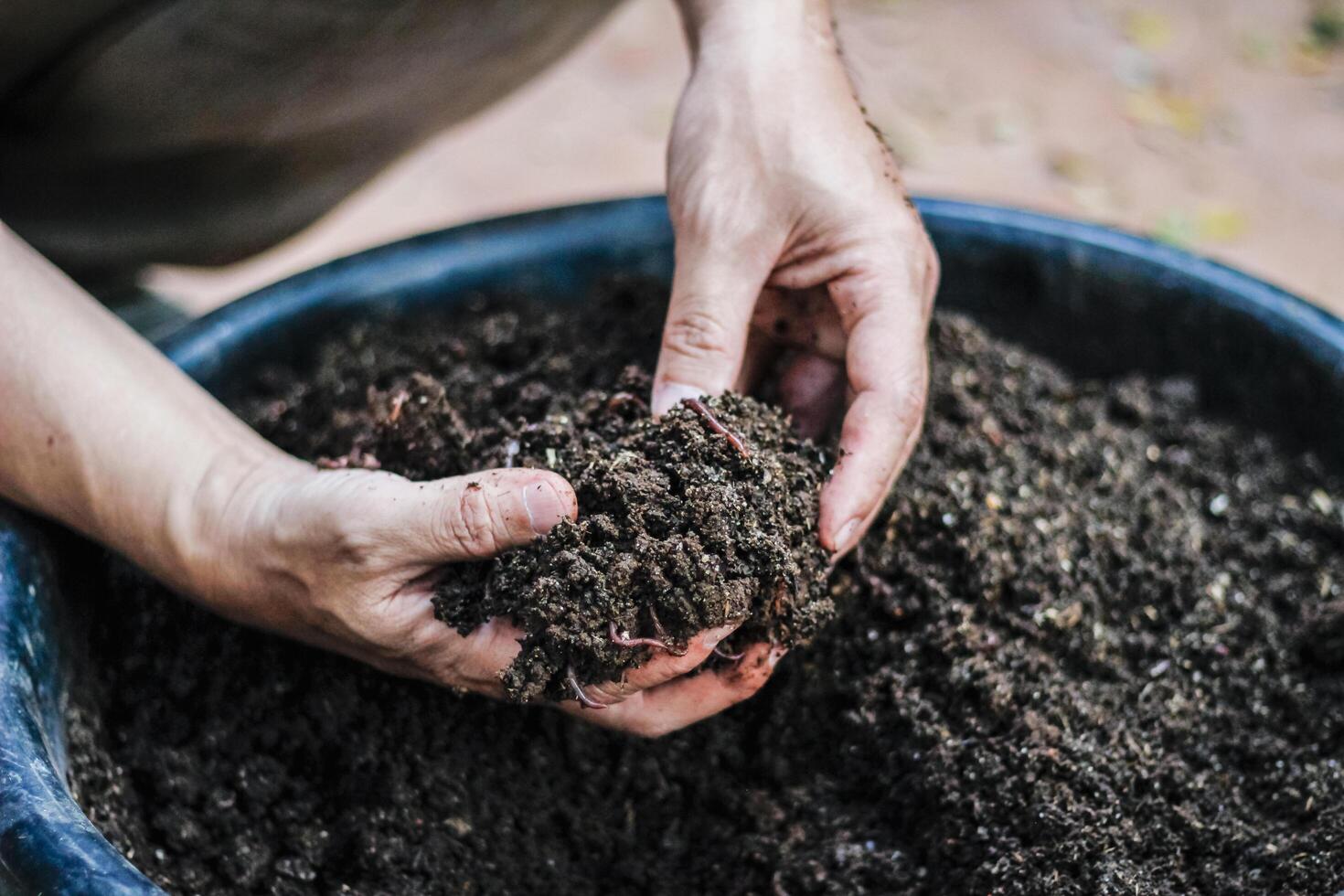
A study published in the Asian Journal of Research in Agriculture and Forestry has found that elephant dung can be successfully converted into nutrient-rich vermicompost and used for okra cultivation without negatively affecting crop growth or yield. The findings highlight an innovative approach that simultaneously addresses organic waste management challenges and promotes sustainable agricultural production.
Researchers demonstrated that elephant dung, often considered an environmental nuisance due to odor, pathogen risks, and waste accumulation, can be transformed into a valuable agricultural resource through vermicomposting. By using earthworms to process the waste, the study produced high-quality organic fertilizer capable of supporting healthy okra growth while reducing environmental impacts associated with waste disposal.
Converting Waste into Agricultural Value
Elephants consume enormous quantities of vegetation daily and produce large volumes of dung. In countries with significant elephant populations, managing this waste can be challenging. While elephant dung has been used in niche industries such as handmade paper and biogas production, much of it remains underutilized.
Recognizing its nutrient-rich composition, researchers explored whether elephant dung could be recycled into vermicompost, a natural fertilizer produced through the action of earthworms. The study focused on the earthworm species Eisenia fetida, which is widely used in vermicomposting due to its efficiency in breaking down organic matter.
The resulting vermicompost was then evaluated for its suitability in growing okra (Abelmoschus esculentus), an important vegetable crop valued for its nutritional content and economic significance.
Key Findings
The study generated several important findings regarding the agricultural potential of elephant dung vermicompost.
Researchers found that elephant dung provided a highly suitable environment for earthworms, supporting substantial growth and reproduction. Earthworm populations increased approximately nine to twelve times during the composting process, indicating effective decomposition and nutrient recycling.
Analysis of the vermicompost revealed the presence of important plant nutrients, including nitrogen, phosphorus, and potassium. Treatments prepared from freshly decomposed elephant dung showed particularly high nitrogen levels, an essential nutrient for healthy plant development.
Importantly, vermicompost produced from elephant dung displayed physicochemical characteristics similar to conventional vermicompost made from cow dung. This suggests that elephant dung can serve as a practical alternative raw material for organic fertilizer production.
When applied to okra cultivation, elephant dung vermicompost supported normal plant growth and development. Researchers observed comparable plant height, leaf production, flowering time, and overall productivity across treatments.
Most significantly, the study found that okra yield was not negatively affected by the use of elephant dung vermicompost. Plants grown with elephant dung-based compost produced yields similar to those achieved using traditional compost sources, confirming its agricultural suitability.
Environmental and Agricultural Significance
The findings demonstrate how organic waste can be transformed into a valuable resource within a circular agricultural system. Instead of becoming an environmental burden, elephant dung can be recycled into a nutrient-rich soil amendment that contributes to sustainable farming practices.
As global agriculture seeks alternatives to synthetic fertilizers, organic amendments such as vermicompost are receiving increased attention for their ability to improve soil health while reducing environmental impacts. The study suggests that elephant dung vermicompost could contribute to more sustainable agricultural systems, particularly in regions where elephant populations generate substantial amounts of organic waste.
Beyond agriculture, the research highlights a practical waste-management strategy that can help reduce disposal challenges while creating additional value from naturally available resources.
Research Methodology
The study was conducted at the University of Colombo Institute for Agro-Technology and Rural Sciences (UCIARS), Sri Lanka, between December 2024 and April 2025.
Researchers carried out two separate experiments. The first investigated the production of vermicompost using elephant dung at different stages of decomposition, both alone and in combination with cow dung. Earthworms (Eisenia fetida) were introduced to facilitate the composting process, and the resulting vermicompost was analyzed for nutrient content and quality.
The second experiment assessed the effectiveness of the produced vermicompost in okra cultivation. Various potting mixtures containing elephant dung vermicompost were prepared and compared with conventional growing media. Researchers monitored germination, plant growth, leaf development, flowering, and yield to evaluate crop performance.
About the Study
This research investigated the feasibility of converting elephant dung into vermicompost using the earthworm species Eisenia fetida and evaluated its effectiveness in okra cultivation. The findings support the use of vermicomposting as an environmentally friendly strategy for waste management and sustainable agricultural production.
References
Nawarathna, S., Weerasinghe, P., Ketipearachchi, K., Vidanapathirana, N., & Gunathilaka, D. (2026). Efficient Application of Elephant Dung on Okra (Abelmoschus esculentus) Cultivation through Vermicomposting. Asian Journal of Research in Agriculture and Forestry, 12(1), 98–106. https://journalajraf.com/index.php/AJRAF/article/view/471
Yadav, D., Kumar, A., & Malwal, M. (2025). Effect of vermicompost on the growth and yield of okra (Abelmoschus esculentus L.). International Journal of Research in Agronomy, 8, 203-207. https://www.agronomyjournals.com/archives/2025.v8.i3.C.2615
Company :-Asian Journal of Research in Agriculture and Forestry
User :- Ajay Bhatia
Email :-contact@journalajraf.com
Url :- https://journalajraf.com/


Get your Explainer Video at 100 dollars only Today.

To ensure stability and reachability of your applications at all times, remote DDoS protection can keep your hosting services online