
Hot Press News
- Shiny Thompson Wins Miss Teen Andhra Pradesh Title and Secures Best Personality title at National Level
- PFRDA Turns to Mutual Fund Distributors to Widen NPS Reach at Bengaluru Outreach
- Dr. Agravat Dental Clinic Implant Wellness Center Integrates 10-Minute Blinkit Delivery for OSMF Mouth Opening Kit Therapies Across Mumbai
- Lalita Kapilavai’s ‘Kalaprayanam’ Art Exhibition Opens at State Art Gallery in Hyderabad
- Rent Lamborghini Dubai Publishes a Transparent Cost Guide for Renting a Lamborghini in Dubai
- Waada Basmati Rice Showcases Its Growing Range of Basmati Rice Varieties
- Freture Techno Pvt. Ltd. Participates in ADIPEC 2026 in Abu Dhabi
- ODM Tops Education World India School Rankings 2026–27 in Odisha and Jharkhand
- Castrol India Limited maintains 9-month growth momentum in 2026
- New York Immigration Attorneys at Berd & Klauss, PLLC Explain USCIS FY 2027 Fee Increases Effective October 16, 2026
- ReadyBid Makes Enterprise-Level Hotel Sourcing Accessible to Smaller Businesses
- CoinGabbar Explores Crypto Presales to Buy in 2026 Through Token Valuation
- Vajirao & Reddy Institute Announces New Batch for UPSC CSE Preparation For 2027-28 in Agra
- Infinix–CMR Study reveals 85% of Young Casual Gamers Say Gaming Connects Them with Like-Minded People
- DataVare MBOX to PST Converter 2.0 Expands Email Conversion Support for Windows and Mac Users
 Mail to a Friend Mail to a Friend |
|
 Rate Rate |
 |
Researchers Turn Agricultural Waste into Eco-Friendly Sketch Paper
2026-10-25 02:12:57
Education
850
New eco-friendly paper prototype transforms rice straw and banana trunk waste into a sustainable alternative for sketching, drafting, and educational use
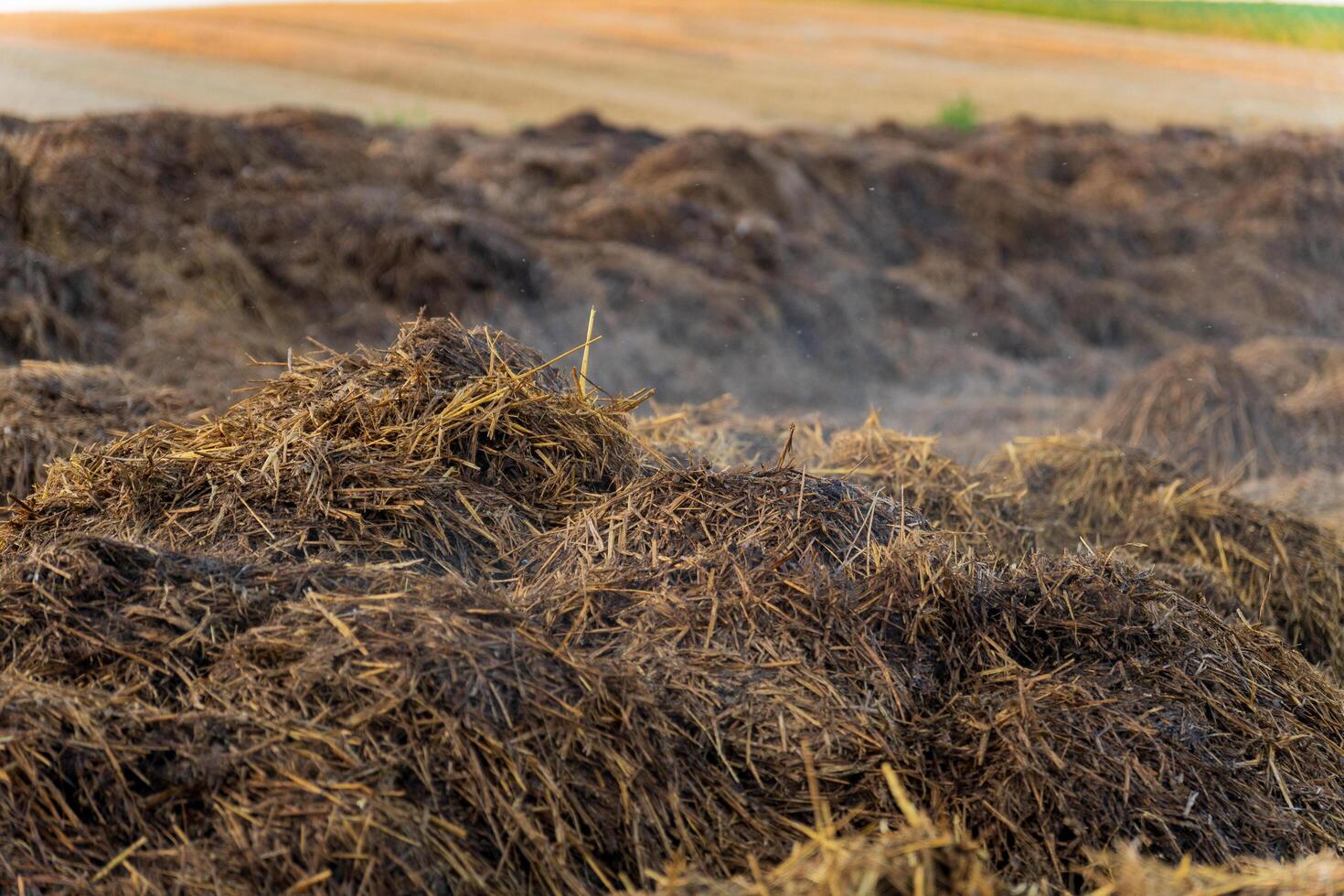
Cebu, Philippines, May 2026 — Researchers from Cebu Technological University have developed an environmentally sustainable sketch paper made from rice straw and banana trunk fibers, two agricultural by-products that are often discarded after harvest. Published in the Journal of Agriculture and Ecology Research International (JAERI), the study demonstrates how agricultural waste can be transformed into a functional paper product suitable for drawing, drafting, and educational use.
The research, titled “Adaptability of Developing a New Sketch Paper Made of Rice Straws and Banana Trunk (Bani) Combination,” addresses growing concerns about deforestation and the environmental impacts of conventional paper production. By utilizing agricultural residues, the study offers a practical example of how waste materials can be converted into valuable resources while supporting sustainable development.
Transforming Waste into Opportunity
Traditional paper production depends heavily on wood pulp, placing pressure on forest resources. At the same time, large quantities of rice straw and banana trunks are generated annually in agricultural regions and are often burned or discarded.
To explore a more sustainable alternative, the research team processed rice straw and banana trunk fibers into paper through pulping, bleaching, blending, molding, and drying techniques. Three fiber combinations were tested: 50:50, 60:40, and 70:30 ratios of rice straw to banana trunk.
Among these formulations, the 70:30 blend produced the best results, yielding approximately 28–29 A4-sized sheets per kilogram of raw material while demonstrating the most favorable overall paper quality.
Key Findings
The finished paper samples were evaluated by 50 participants, including drafting students and professional drafting instructors. Respondents assessed the paper based on usability, thickness, texture, and absorbency.
Results showed strong overall acceptance from both groups. Participants found the paper functional and suitable for sketching and drawing applications. Students particularly appreciated its durability, drawing comfort, and ability to absorb ink effectively.
The study also highlighted the environmental and economic advantages of converting agricultural waste into paper products. Respondents viewed the material as a sustainable and potentially cost-effective alternative to conventional sketch paper.
Professional instructors generally agreed with the paper’s potential but identified areas for further improvement, including surface smoothness, thickness consistency, and suitability for precision drafting tasks. These observations suggest that additional refinement could further enhance product quality.
Why the Research Matters
The study demonstrates how agricultural residues can be transformed into value-added products that support environmental sustainability and resource efficiency. Utilizing rice straw and banana trunk fibers could help reduce agricultural waste, lessen dependence on wood-based raw materials, and create affordable educational materials from locally available resources.
The findings also support broader circular economy initiatives by showing how waste materials can be reintegrated into productive use rather than being discarded.
Looking Ahead
Researchers emphasize that further studies are needed before large-scale commercialization. Future work may focus on improving surface quality, testing long-term durability, enhancing absorbency performance, and evaluating large-scale manufacturing feasibility.
Despite these challenges, the research highlights the promise of agricultural waste as a sustainable resource for paper production and demonstrates the potential of innovative bio-based materials to contribute to a more environmentally responsible future.
About the Study
The study was conducted by researchers from Cebu Technological University, Philippines, and published in the Journal of Agriculture and Ecology Research International (JAERI).
Reference
Lanzaderas, R. C., Dandan, R. D., Angeles, K. M. D., Binoya, R. P., Mendez, L. J., Marsan, A. L., Arnaiz, V. D., & Capuno, J. F. C. (2026). Adaptability of Developing a New Sketch Paper Made of Rice Straws and Banana Trunk (Bani) Combination. Journal of Agriculture and Ecology Research International, 27(4), 1–13. https://doi.org/10.9734/jaeri/2026/v27i4760
Rattanawongkun, P., Kerddonfag, N., Tawichai, N., Intatha, U., & Soykeabkaew, N. (2020). Improving agricultural waste pulps via self-blending concept with potential use in moulded pulp packaging. Journal of Environmental Chemical Engineering, 8(5), 104320. https://doi.org/10.1016/j.jece.2020.104320
Company :-Journal of Agriculture and Ecology Research International
User :- Tanvith Singh
Email :-surojitbera2124@gmail.com
Url :- https://journaljaeri.com/

To ensure stability and reachability of your applications at all times, remote DDoS protection can keep your hosting services online
Get your Explainer Video at 100 dollars only Today.